
Understanding Interventional Cardiology
Transforming Heart Health.
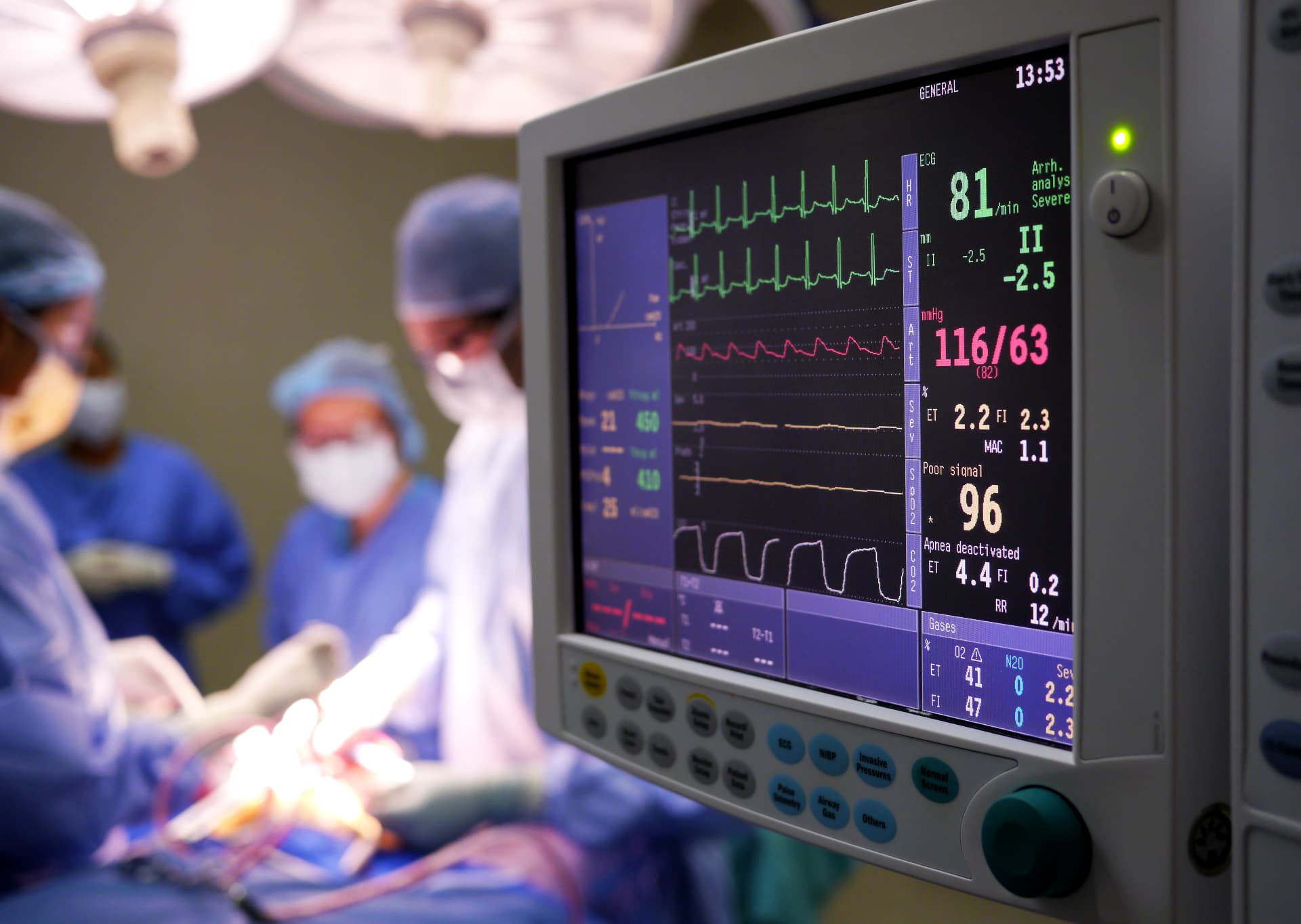
Interventional cardiology is a specialized field focused on diagnosing and treating cardiovascular conditions using minimally invasive procedures, often with catheters placed through small incisions, so precise treatment is possible without open-heart surgery.
Your partner in
Interventional Cardiology
At Pulse, our experienced team uses advanced technology to deliver personalized, compassionate care. Minimally invasive techniques treat a wide range of cardiovascular conditions with shorter recovery times. Combined with preventive cardiology and advanced imaging, these approaches keep care comprehensive and patient focused.
Conditions & procedures
11 in Interventional CardiologyFeatured procedure
Uncontrolled High Blood Pressure (Paradise™ RDN)
A catheter-based treatment for blood pressure that stays high despite medication.
Learn moreFeatured procedure
GAE Knee Procedure
Genicular artery embolization, a minimally invasive, non-surgical option for chronic knee pain from osteoarthritis.
Learn moreInterventional Cardiology
Angina
Chest pain or pressure caused by reduced blood flow to the heart, evaluated and treated by interventional cardiology.
Learn moreInterventional Cardiology
Angioplasty & Cardiac Stenting
A catheter-based procedure that opens narrowed coronary arteries and holds them open with a stent.
Learn moreInterventional Cardiology
Atrial Fibrillation & Bradycardia
Care for irregular or slow heart rhythms using interventional techniques.
Learn moreInterventional Cardiology
Peripheral Artery Disease (PAD)
Narrowing of arteries in the legs that reduces circulation and causes pain when walking.
Learn moreInterventional Cardiology
Transcatheter Aortic Valve Replacement (TAVR)
A minimally invasive alternative to open-heart surgery for replacing a failing aortic valve.
Learn moreInterventional Cardiology
Congestive Heart Failure
Comprehensive management of a heart that isn't pumping as efficiently as it should.
Learn moreInterventional Cardiology
High Blood Pressure
Evaluation and management of hypertension, including its effect on the heart, kidneys, and circulation.
Learn moreInterventional Cardiology
Cardiac Electrophysiology & Direct Current Cardioversion
Advanced techniques to regulate heart rhythms and treat arrhythmias.
Learn moreInterventional Cardiology
Cardiac Diagnostic Tools
Coronary angiography, cardiac catheterization, echocardiography, and stress testing for precise evaluation and tailored treatment plans.
Learn more
Meet our interventional cardiologist
Gaurav Aggarwala, MD, MBA
Dr. Gaurav Aggarwala is a board-certified Interventional Cardiologist dedicated to helping patients live healthier, stronger lives.
Specializing in Cardiovascular Disease and Internal Medicine, Dr. Aggarwala focuses on prevention and personalized treatment plans tailored to your unique needs. He is known for a compassionate approach and a commitment to the best possible outcomes for every patient.
View full profileMinimally invasive heart care
Benefits
Interventional cardiology procedures are designed to be less disruptive to the body, providing a more patient-centered approach to treatment.
Shorter recovery times
Since minimally invasive procedures are performed through small incisions or catheters, the recovery process is significantly faster than with open surgery. Patients often return to their daily activities within days or weeks, rather than months.
Reduced risk of complications
Minimally invasive techniques lower the risk of complications such as infections and excessive bleeding. This is particularly beneficial for individuals at higher risk due to age or pre-existing health conditions.
Less pain and discomfort
The smaller incisions associated with minimally invasive procedures result in less pain post-surgery. This minimizes the need for prolonged pain management and helps patients feel more comfortable as they heal.
Improved precision and outcomes
Interventional cardiology relies on advanced imaging technologies and specialized tools that allow for greater precision during procedures. This leads to improved success rates and better long-term outcomes for patients.
Minimal scarring
With only small entry points required for minimally invasive procedures, patients experience little to no visible scarring. This not only improves cosmetic results but also minimizes physical trauma to the body.
Lower hospital stays
Many minimally invasive heart care procedures can be performed on an outpatient basis or involve shorter hospital stays. This reduces the overall financial burden for patients and allows them to recover in the comfort of their own homes.
If you are considering your heart care options, consult with our team at Pulse to determine the best approach for your needs.
Real stories of healing & hope
Testimonials
Every health journey is personal, but you never have to walk it alone. The most meaningful proof of our care comes directly from the people we treat. Watch their stories and see what it means to put your health in our hands.
Interventional cardiology in Greater Houston
Frequently asked questions
Next step
You don't have to figure this out alone.
Request an appointment and our team will connect you with the right specialty, provider, and location.